The Modern API Support Stack: Docs, Chat, Discord, Email, and AI in One Workflow
A modern API support stack connects docs, live chat, Discord, email, monitoring, and AI around one workflow so developers get faster answers without losing technical context.
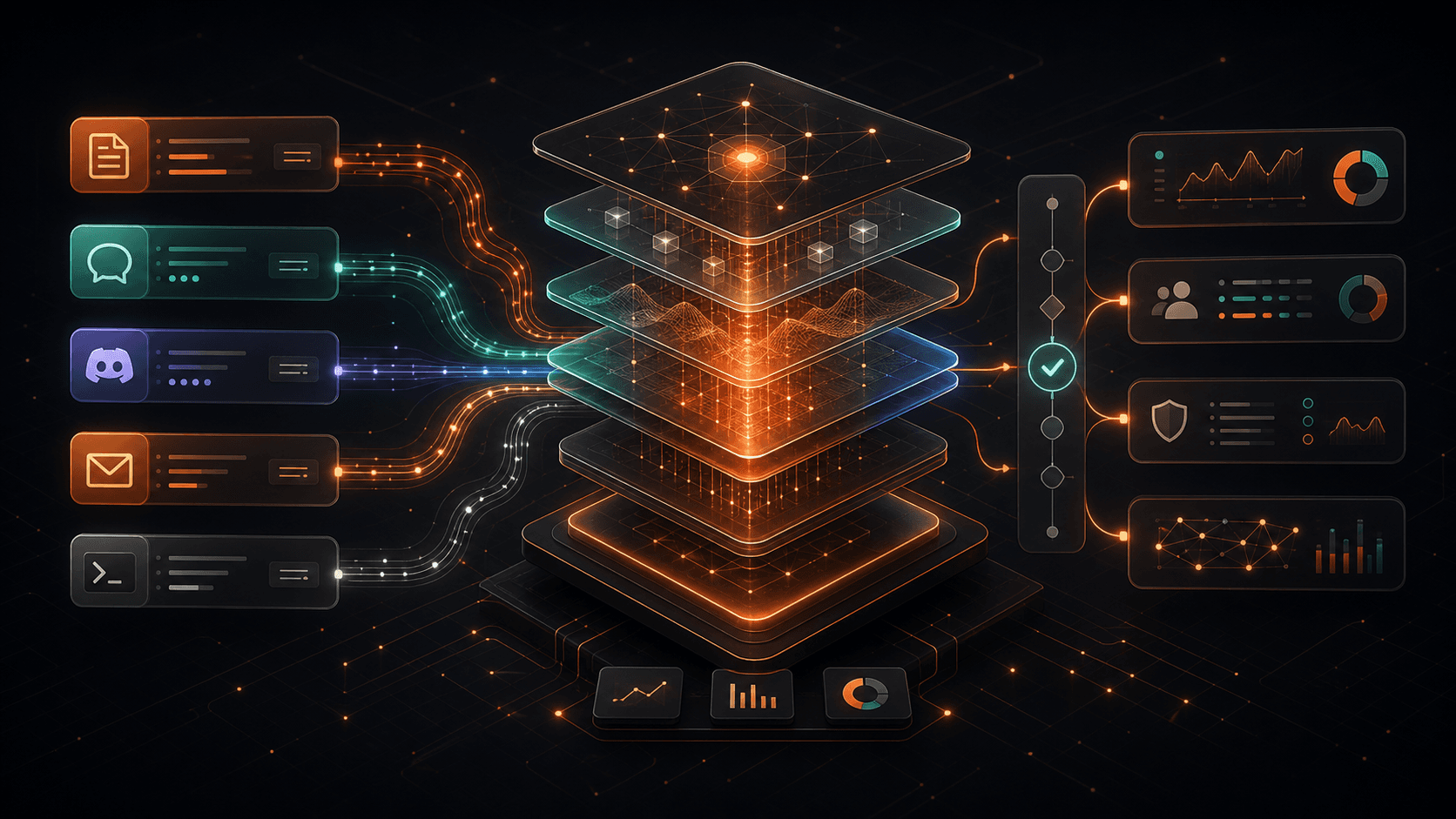
API Support Is a Workflow, Not a Queue
The best API does not always win. The API with the clearest developer experience usually does. When developers are blocked, they do not care whether the answer lives in reference docs, a Discord thread, an email ticket, a live chat transcript, or an AI assistant. They care whether the answer is fast, accurate, and tied to the actual API behavior.
That is why API support has to move beyond disconnected tools. A modern API support stack brings documentation, real-time support, community channels, email, monitoring, and AI into one workflow. Each surface keeps its strengths, but the customer context and technical evidence stay connected.
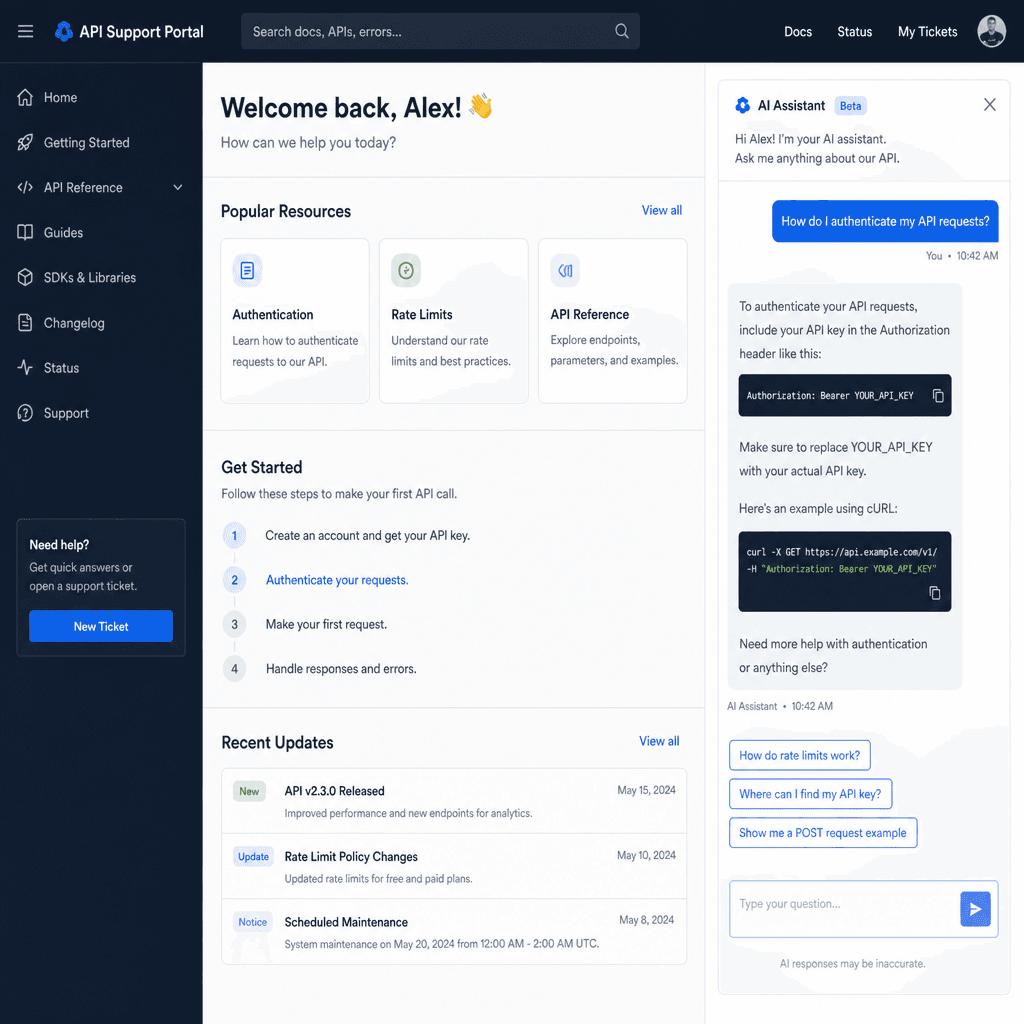
Docs Are the Source, Not the Whole System
Documentation is still the foundation, but reference docs alone are not a complete support strategy. Docs explain the intended contract: endpoints, auth methods, request fields, response shapes, rate limits, examples, and error behavior. Support has to apply that contract to a developer's actual situation.
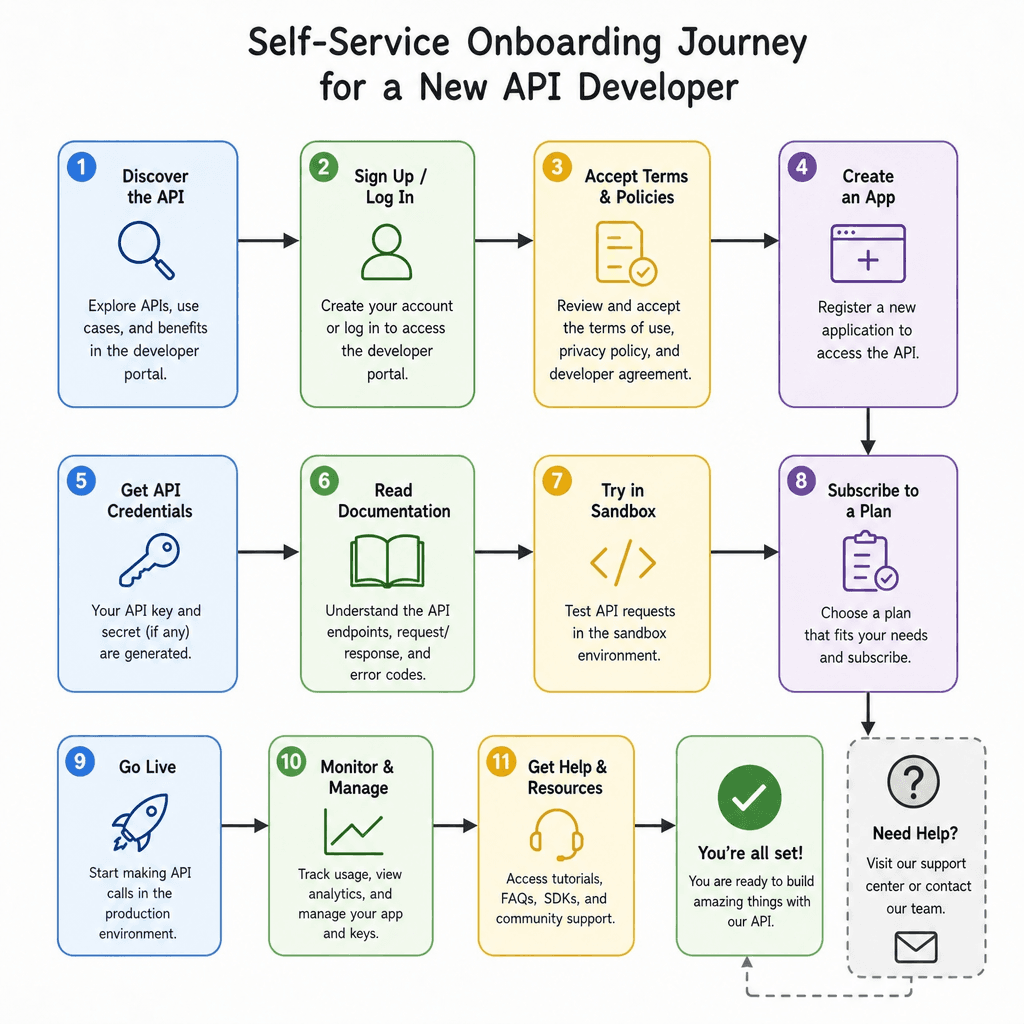
A developer portal should make that source easy to find, test, and use. The strongest teams treat API docs as code, keep OpenAPI or schema sources current, and feed repeated support patterns back into quickstarts, troubleshooting guides, SDK examples, and migration notes.
- Keep the API contract machine-readable with OpenAPI, GraphQL schemas, or equivalent structured sources.
- Pair reference material with onboarding, error explanations, examples, and integration guides.
- Make source freshness visible so operators know whether a claim is safe to reuse.
- Turn repeated support questions into documentation improvements.
Channels Should Meet Developers Where They Are
Developers need different channels for different kinds of problems. Live chat is useful when someone is blocked in the moment. Email is better for detailed, sensitive, or multi-party follow-up. Discord and Slack are where communities surface patterns, edge cases, and unofficial workarounds before they become formal docs.
The mistake is letting each channel become a separate support product. If a customer starts in Discord and moves to email, the operator should not lose the thread. If a live chat needs engineering review, the transcript, source evidence, and customer context should travel with it.
- Use live chat for quick triage and active implementation blockers.
- Use email for durable follow-up, sensitive information, and longer investigations.
- Use community channels for public questions, peer support, and early pattern detection.
- Normalize all of them into one conversation model for assignment, tags, notes, and handoff.
Monitoring Turns Guesses Into Evidence
API management tools, gateways, logs, and monitoring systems matter because support needs to know what is happening under the hood. A 401 could mean the wrong environment, a missing scope, an expired token, a malformed header, or a product-side auth change. A vague answer helps nobody.
The support workflow should make operational facts available without exposing secrets. Request ids, timestamps, endpoint names, status codes, rate-limit behavior, and known incidents can help operators and AI distinguish customer mistakes from product issues.
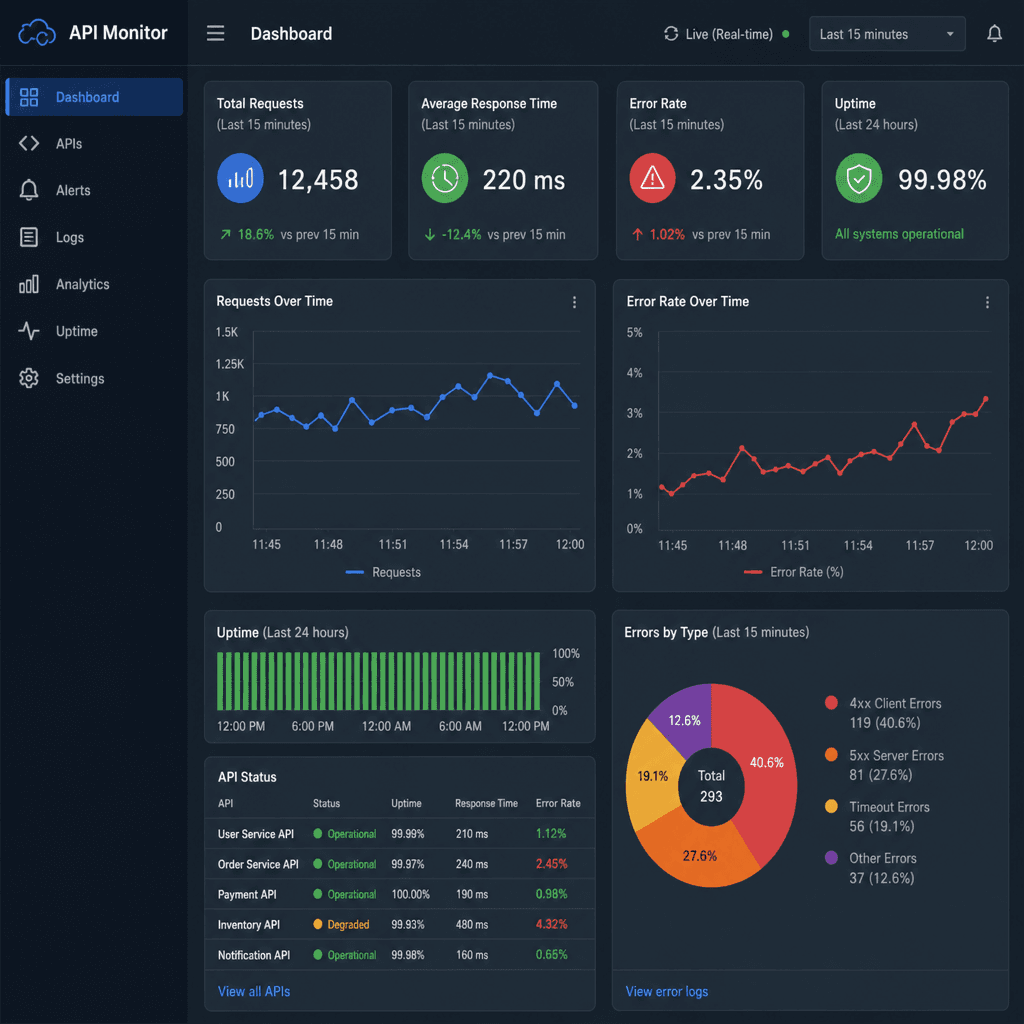
- Connect support triage to safe request metadata and status signals.
- Separate customer-visible facts from operator-only diagnostics.
- Use monitoring to spot recurring endpoint errors before tickets pile up.
- Escalate account-specific or production-risk issues with the relevant evidence attached.
AI Needs Grounding and Handoff
AI belongs in the modern API support stack, but it should not be a free-floating chatbot. It needs to answer from the same workspace-scoped sources an excellent operator would inspect: docs, API specs, SDK examples, customer conversation history, known limitations, and safe runtime evidence when available.
When the evidence is strong, AI can explain an endpoint, draft a response, summarize a thread, or suggest the next debugging step. When the evidence is weak, the right behavior is a focused clarification or a human handoff, not a confident guess.
Unification Is the Product Advantage
The connective layer is the real product decision. Docs, chat, Discord, email, monitoring, and AI have to share one support memory. That memory should preserve channel details while keeping assignment, customer context, tags, AI attempts, source citations, and issue links in one place.
This makes the operator experience calmer and the customer experience more coherent. The customer does not need to repeat their problem every time the channel changes, and the support team can measure what is actually driving work across the whole system.
- Use one conversation timeline across live chat, email, and community support.
- Attach source evidence, issue links, and AI handoff details to the same record.
- Keep tenant boundaries strict so one workspace's API context never informs another workspace.
- Measure repeated questions, handoff quality, documentation gaps, and time to resolution.
How to Build the Stack Without Boiling the Ocean
A practical rollout does not require replacing every tool at once. Start with the support questions developers already ask. Identify the highest-volume API topics, the channels where they appear, the sources operators use to answer them, and the moments where context gets lost.
Then connect the system in layers: structured docs ingestion, unified conversations, channel-aware replies, safe operational context, grounded AI, and feedback loops into product and docs. Each layer should make the next support interaction easier than the last.
- Audit recent tickets, chats, Discord threads, and emails for repeated API blockers.
- Map each blocker to the source that should answer it.
- Create a handoff package for cases that need a person or engineering review.
- Review whether source updates reduce the next wave of similar questions.
The Bottom Line
The modern API support stack is not a pile of separate tools. It is one workflow that helps developers move from confused to confident. Documentation provides the contract, channels capture the customer moment, monitoring adds operational evidence, and AI helps only when it can stay grounded.
When those parts work together, support becomes more than ticket handling. It becomes a feedback system for the API itself: better docs, sharper examples, faster triage, cleaner handoffs, and a developer experience that compounds over time.
Sources and Standards
This Woes article references public standards and developer documentation that shape API support workflows.
Related Woes Pages
Continue into the Woes product pages that connect this topic to API-native support workflows.