Developer Support Automation ROI: A Framework Beyond Deflection
Measure developer-support automation ROI with verified resolutions, full lifecycle costs, quality guardrails, and a counterfactual that finance and support can defend.
Deep dives on unified support channels, grounded AI agents, API context, and the operating system developer support teams actually need.

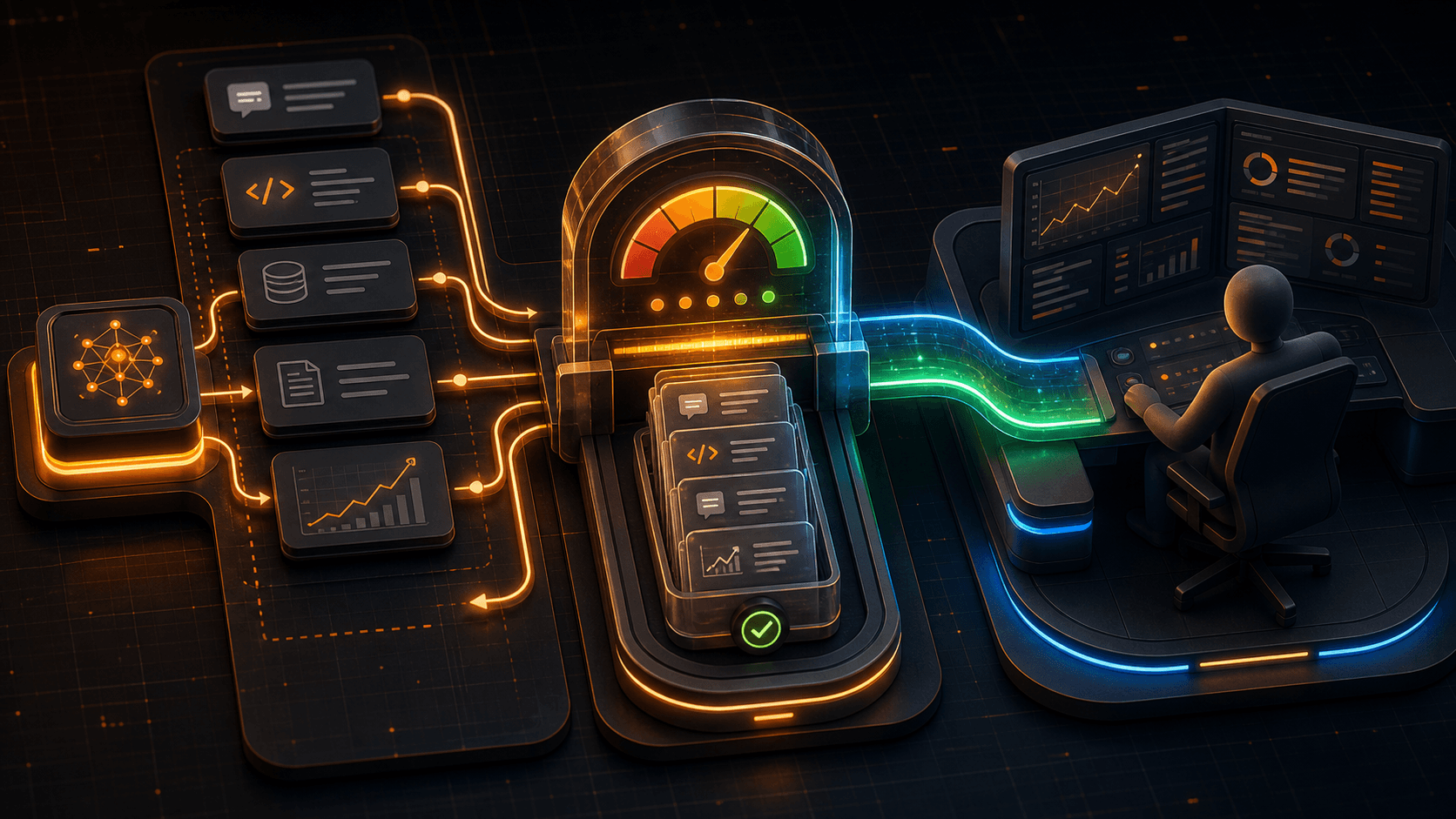
Measure developer-support automation ROI with verified resolutions, full lifecycle costs, quality guardrails, and a counterfactual that finance and support can defend.

Design, test, version, and index SDK examples so developer-support answers reflect the language, package, API contract, and failure path a customer actually uses.

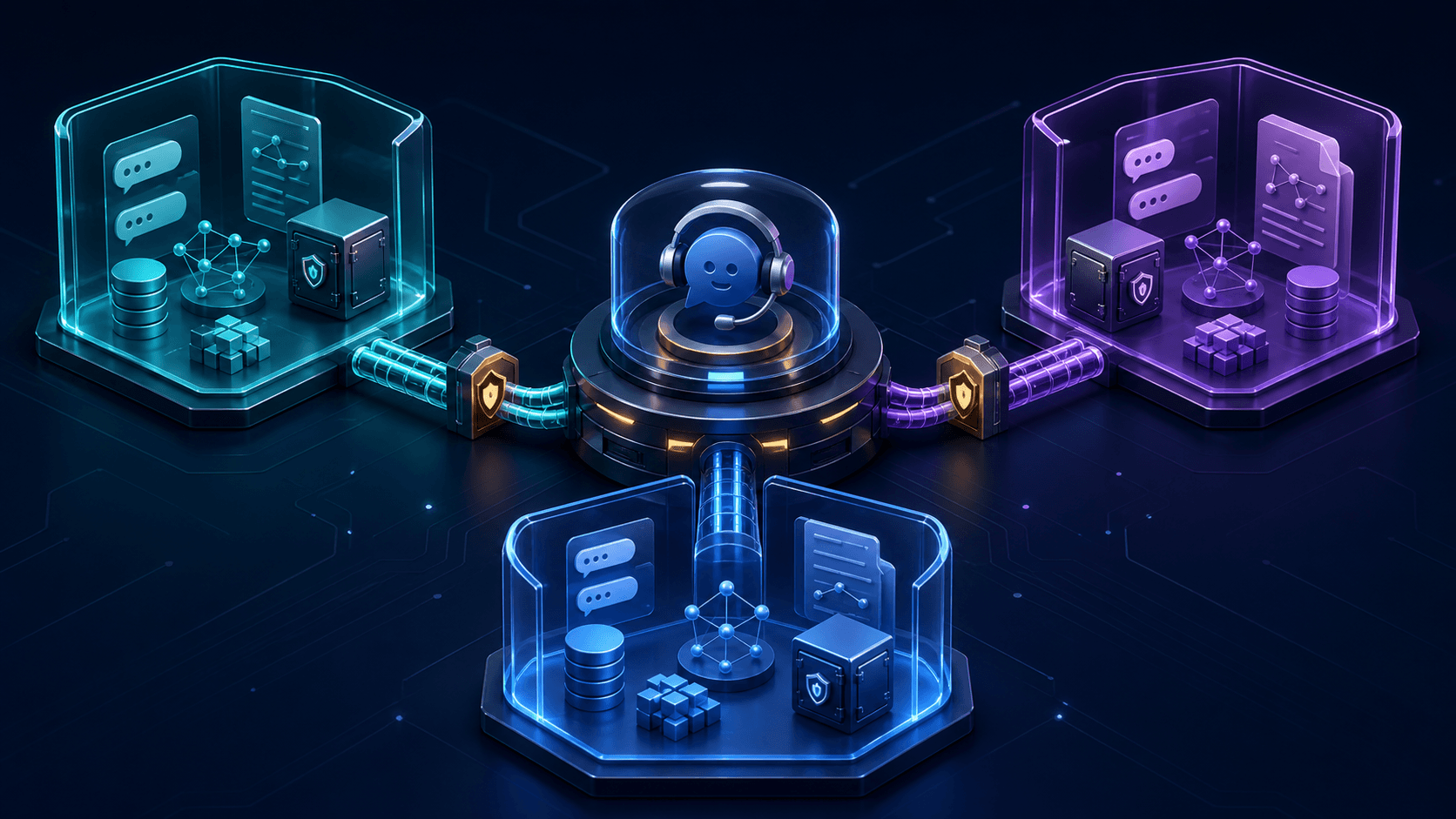
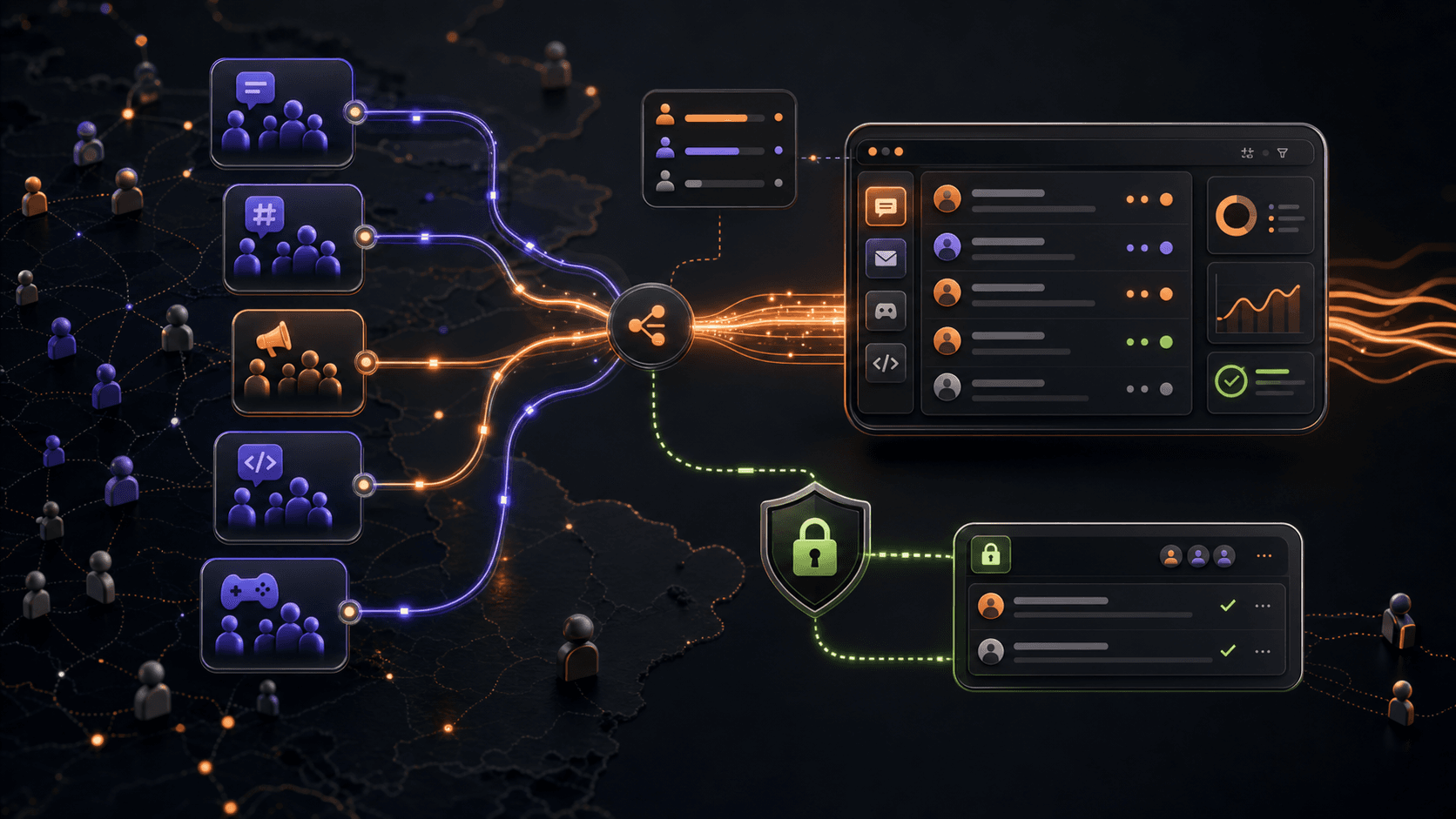
Design tenant isolation for AI support across identity, retrieval, memory, tools, channels, and logs, then prove the boundary with adversarial tests.

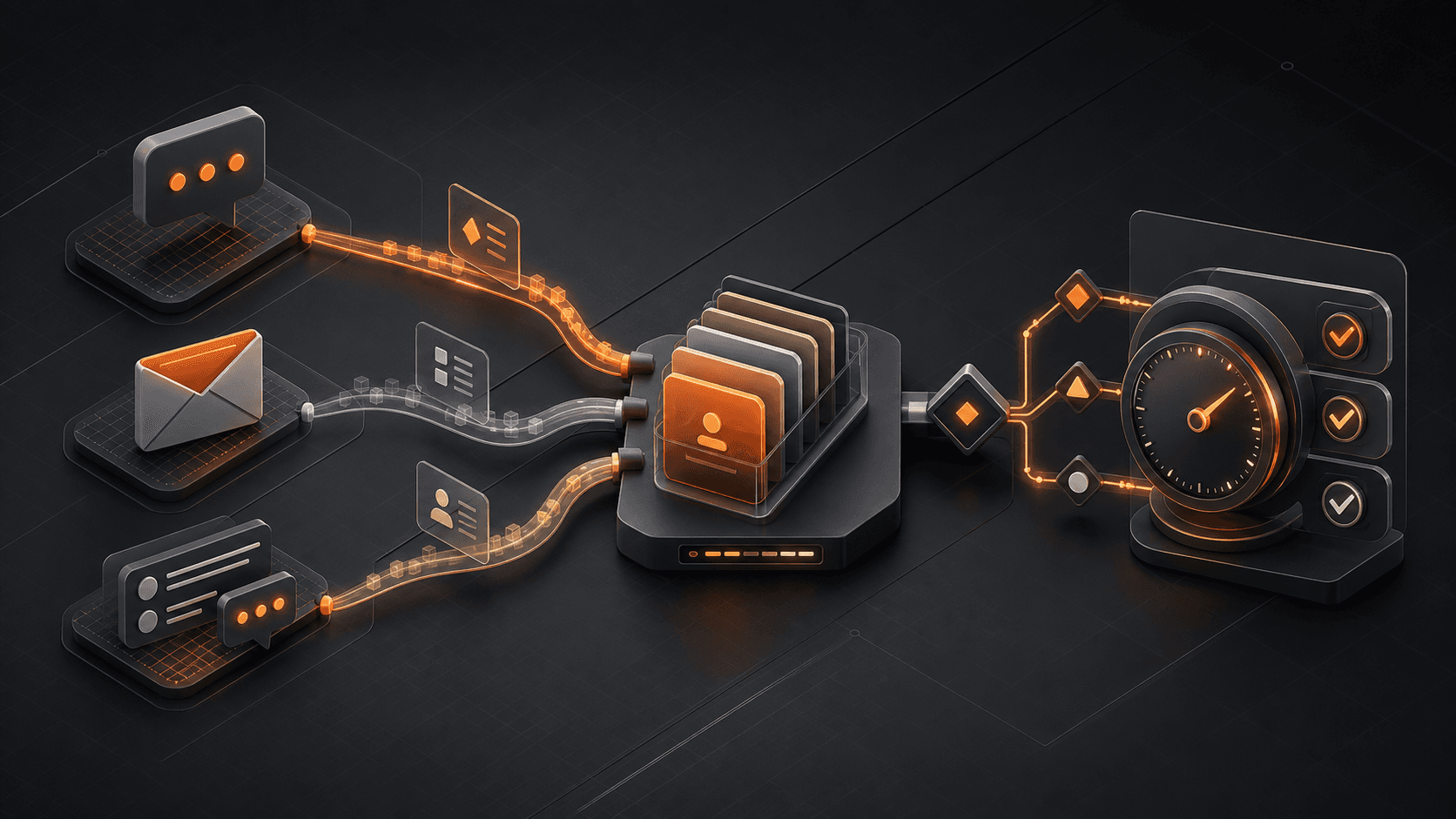
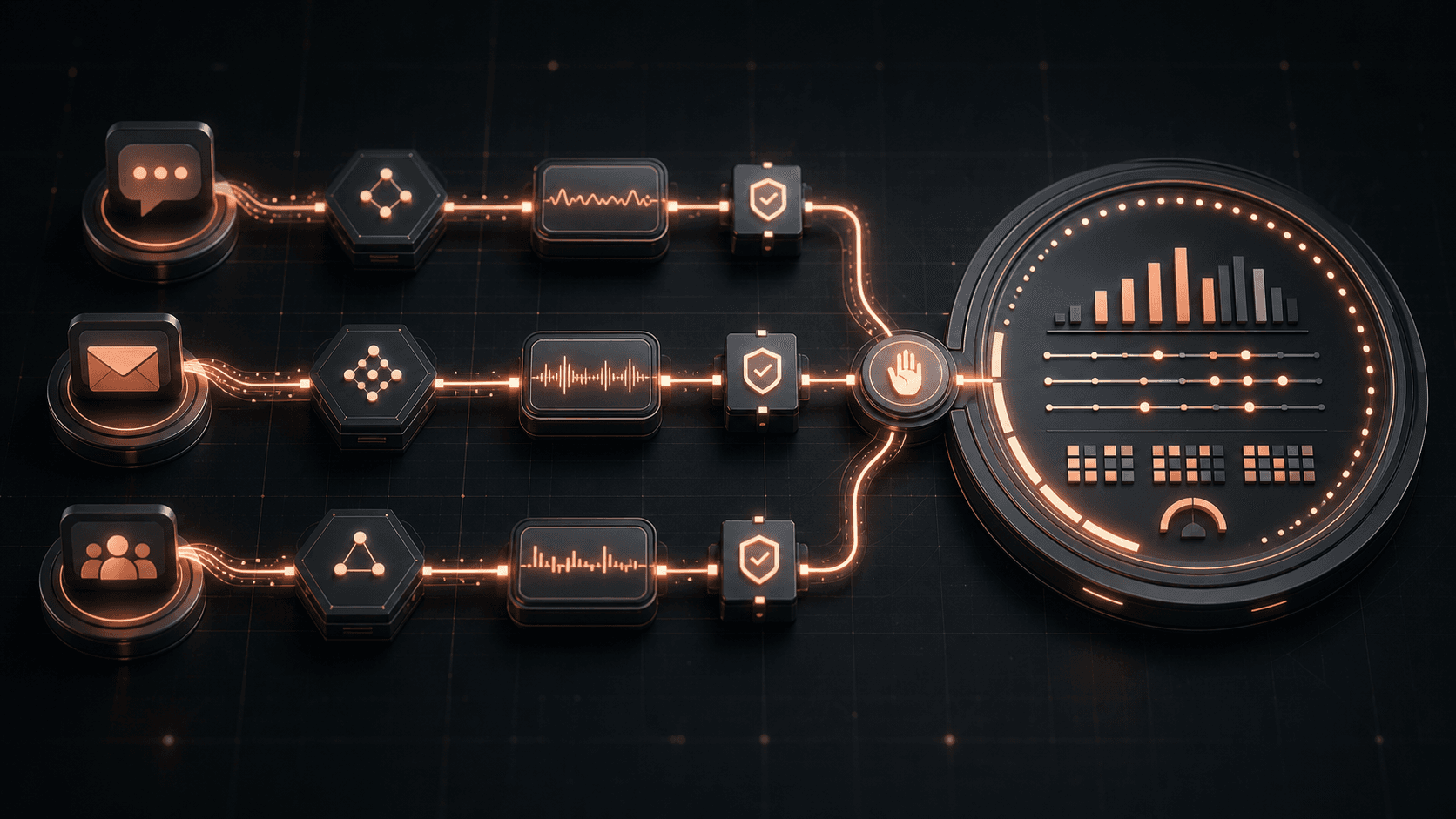
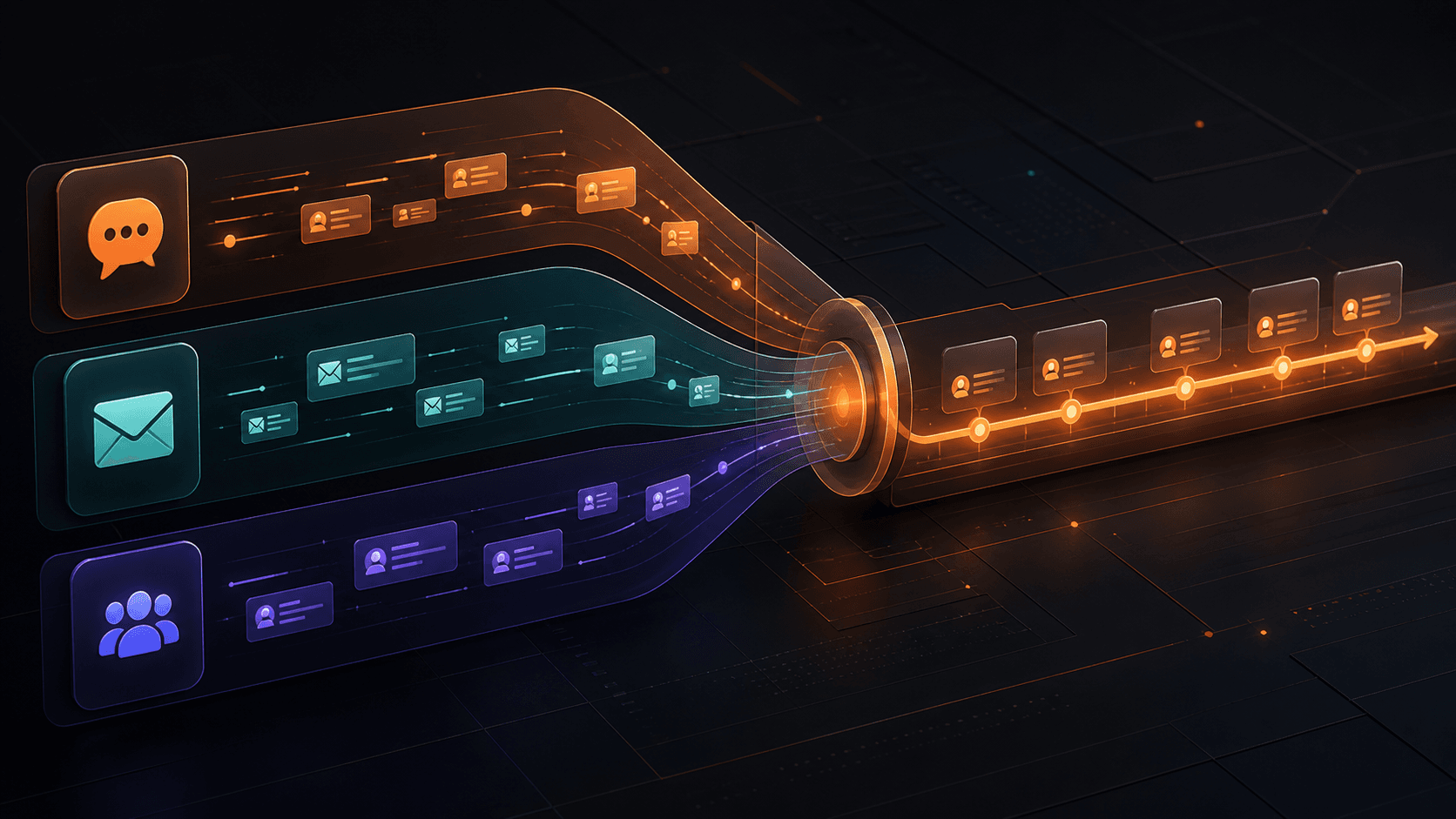
Design a cross-channel support SLA that preserves the speed of chat, the depth of email, and the community context of Discord without splitting ownership.

Use this API documentation drift playbook to detect contract mismatches, rank customer risk, repair the source of truth, and keep support evidence current.

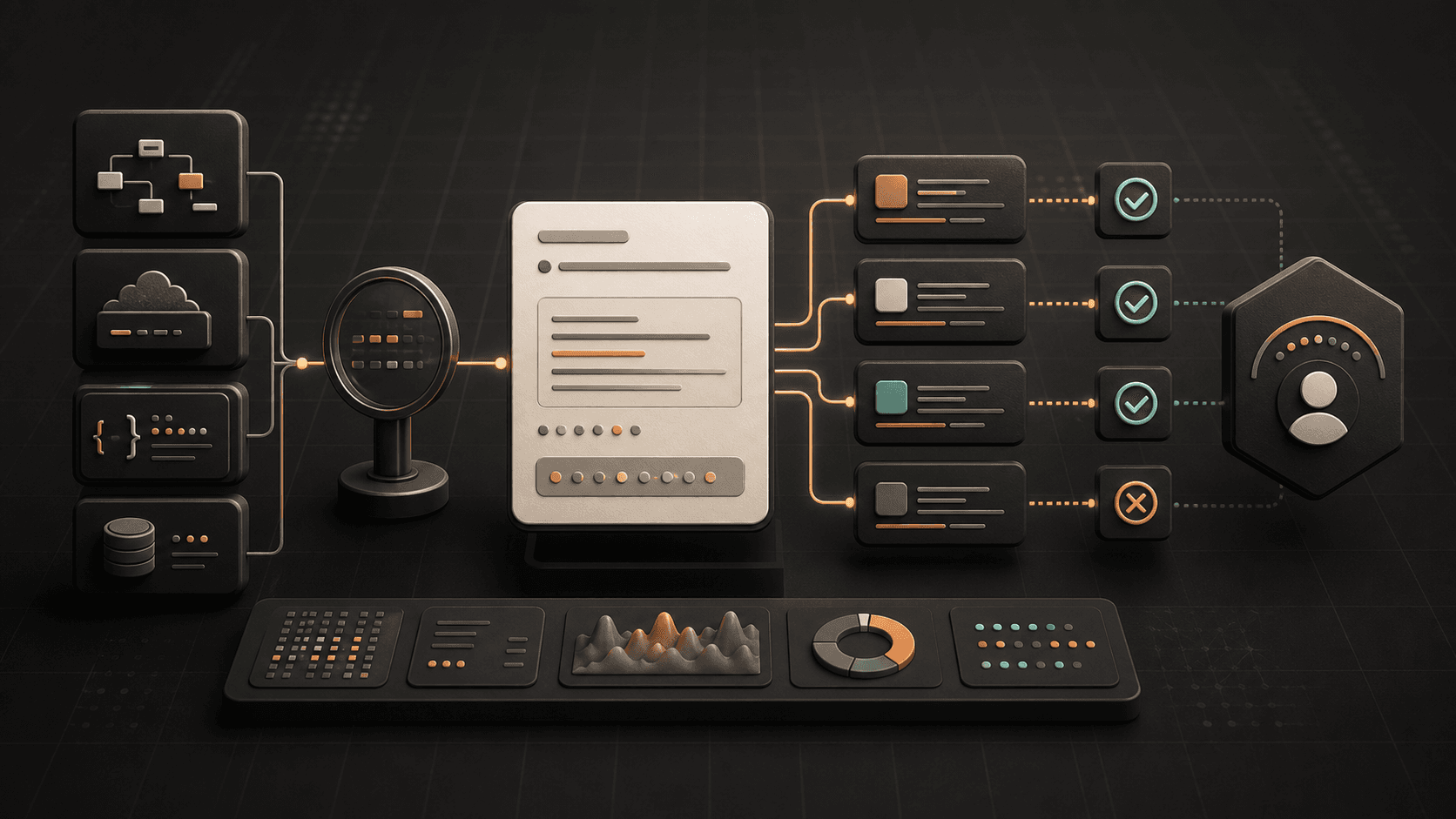
Build an AI support agent evaluation suite that tests retrieval, evidence, citations, confidence, clarification, handoff, redaction, and regressions.

Track API support metrics that reveal response speed, verified resolution, recurring integration friction, documentation gaps, AI quality, and engineering toil.

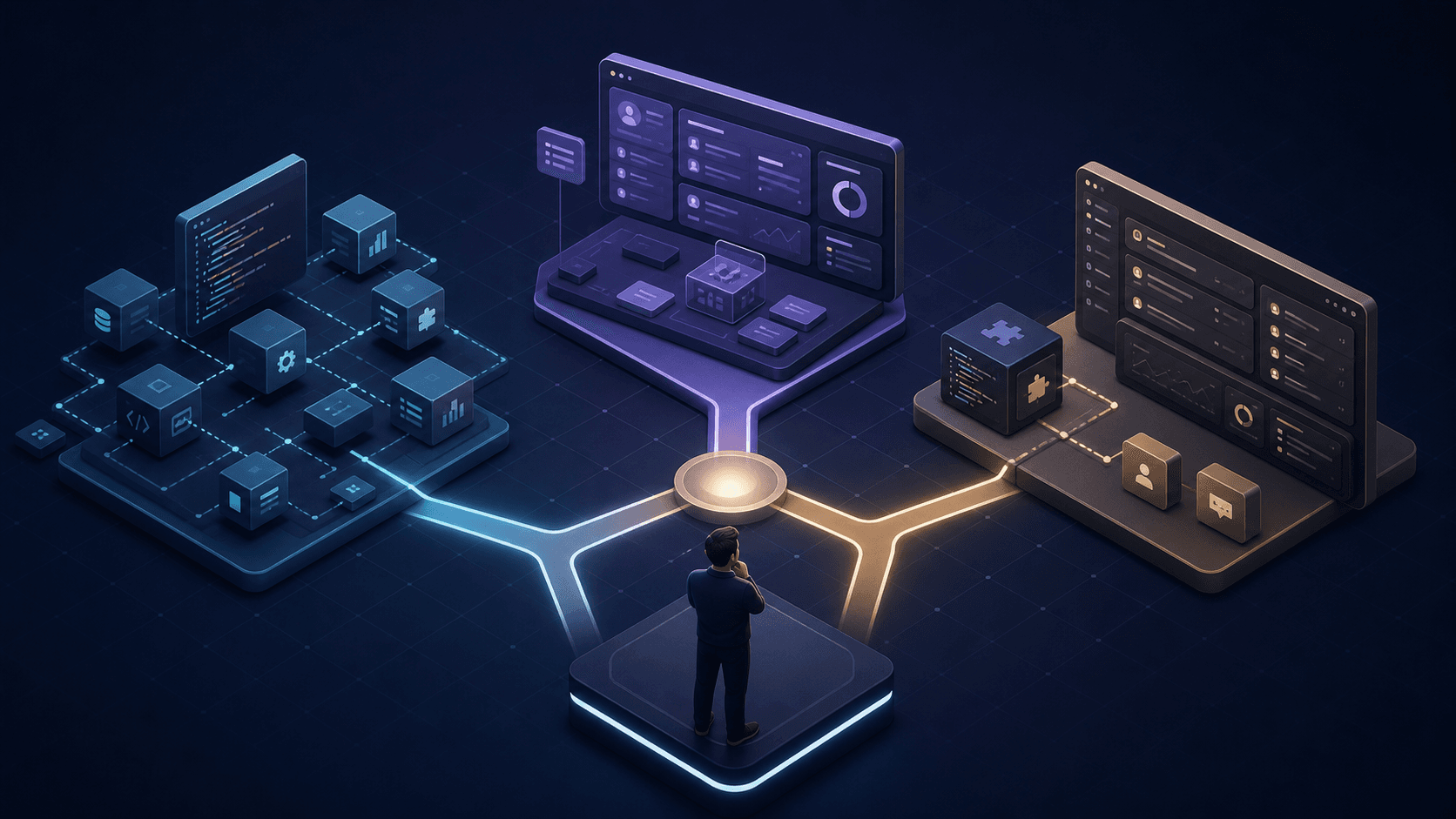
Use this build-versus-buy framework to compare developer support platforms, custom infrastructure, and hybrid designs across cost, control, security, and operational fit.

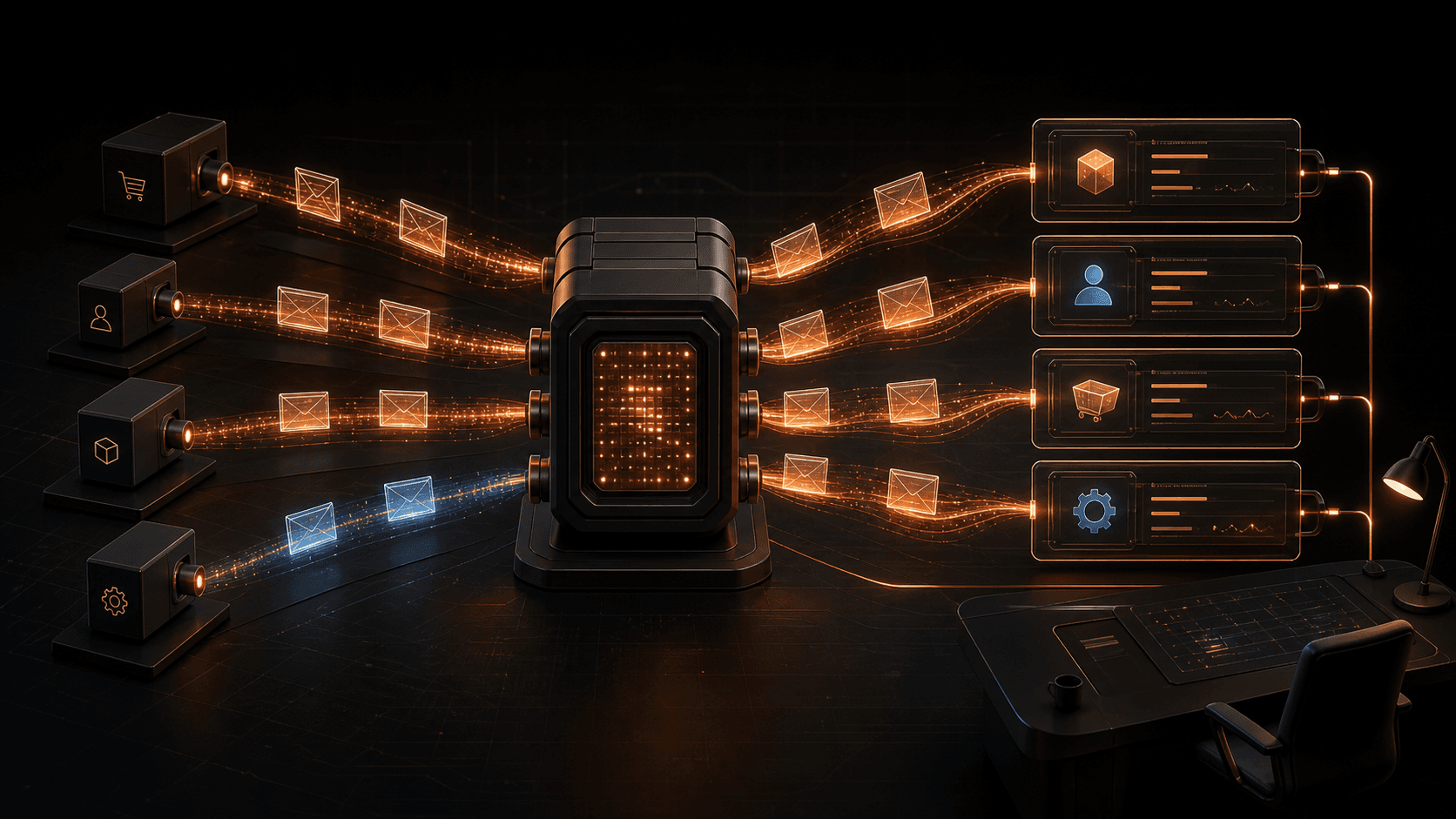
AsyncAPI can give developer support teams a precise map of channels, operations, messages, and schemas. Learn how to turn that contract into evidence for event-driven API troubleshooting.

Webhook signature verification fails for surprisingly small reasons. Use this safe debugging checklist to isolate raw-body, secret, timestamp, encoding, and replay problems without leaking credentials.

AI support becomes risky when it cannot see your API contract, error behavior, telemetry, or customer context. Grounding turns vague chatbot replies into support answers developers can trust.

Developer support is not just ticket management with technical language. API companies need context-rich troubleshooting, self-service docs, community signals, and feedback loops that improve the product.

A modern API support stack connects docs, live chat, Discord, email, monitoring, and AI around one workflow so developers get faster answers without losing technical context.

Repeated API questions usually mean the support system cannot see the same contract developers are trying to use. Reducing those tickets starts with better context, routing, and feedback loops.

OpenAPI can become more than reference documentation. With the right normalization, it gives support teams endpoint-level evidence for AI answers, operator review, and live troubleshooting.

Postman collections often contain the examples support teams wish the docs had. Turning them into support context helps operators and AI agents answer from concrete request evidence.

GraphQL support depends on schemas, fields, query shape, auth behavior, and examples. The schema needs to become support evidence, not just developer reference material.

Repository docs, SDK examples, changelog notes, and troubleshooting files can become AI support context when they are scoped, cleaned, and connected to the support workflow.

Discord is where many developer communities surface integration pain first. Treating it as a support channel keeps that context connected to the inbox, AI agent, and human handoff.

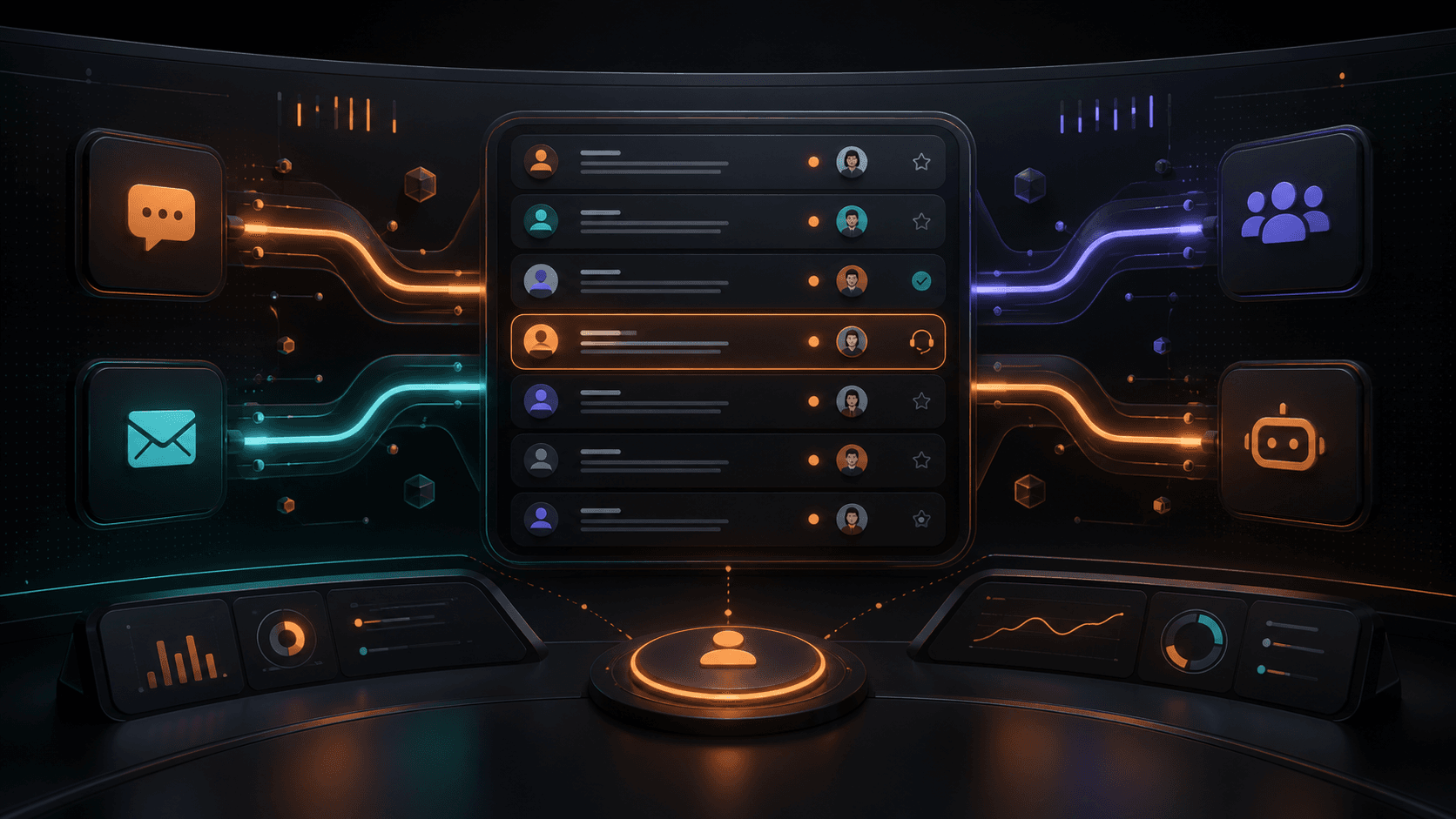
Live chat, email, and Discord each solve a different developer support job. The support system should preserve those channel strengths while keeping one customer and conversation model.

API integration issues are easier to resolve when support teams triage by the technical fact the customer is missing: endpoint, auth, payload, environment, webhook, SDK, or account state.

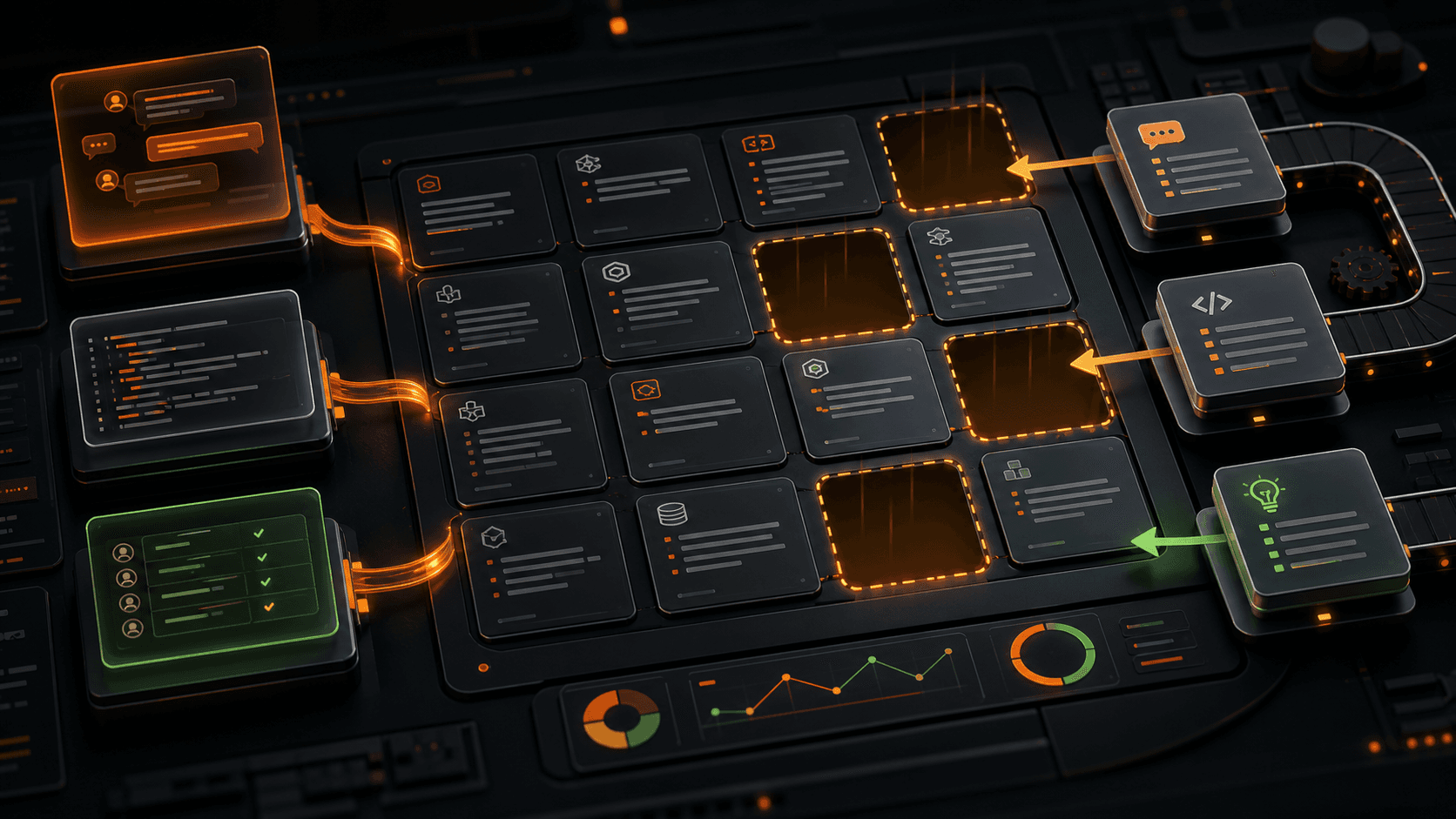
Documentation gaps show up as repeated support questions, low-confidence AI answers, and operator handoffs. Support teams need a workflow for turning those signals into better source context.

Human handoff is not where AI support fails. It is how a responsible support agent preserves trust when evidence is missing, the issue is risky, or a customer needs a person.

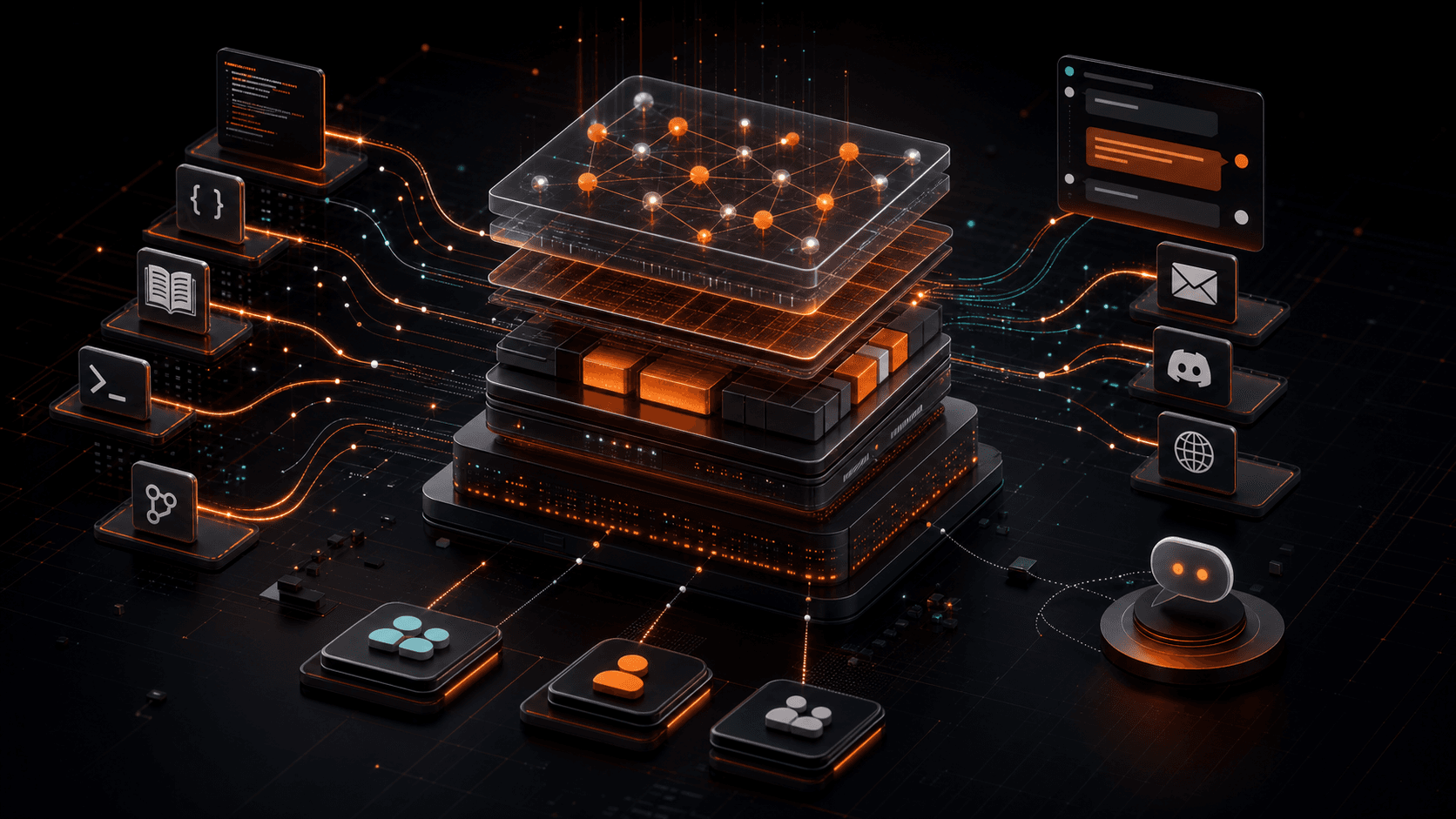
Developer support fails when every channel sees a different version of your API. The fix is not another generic bot, it is a shared context layer built around the contract your customers actually integrate with.

Support teams should not have to choose between live chat speed, email depth, and Discord community presence. The channels are different doors into one customer problem.

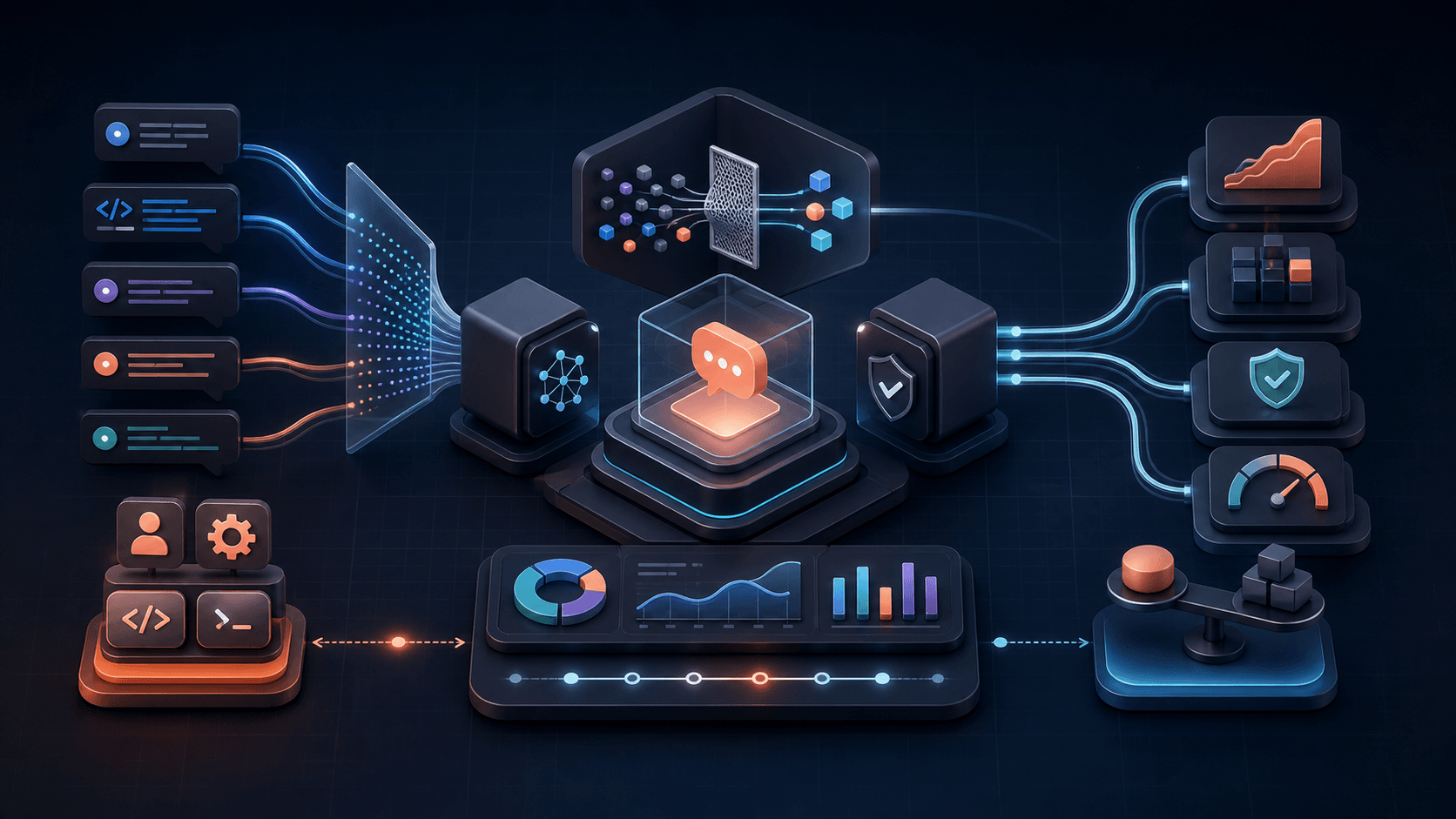
Grounded AI support is not just retrieval plus a friendly response. It needs evidence, redaction, confidence gates, verification paths, and a human handoff that operators can trust.